Matcha in Japan
Where it comes from
Four regions produce most of the matcha worth drinking. They do not taste the same, and the difference is bigger than the difference between two tins at the same price.
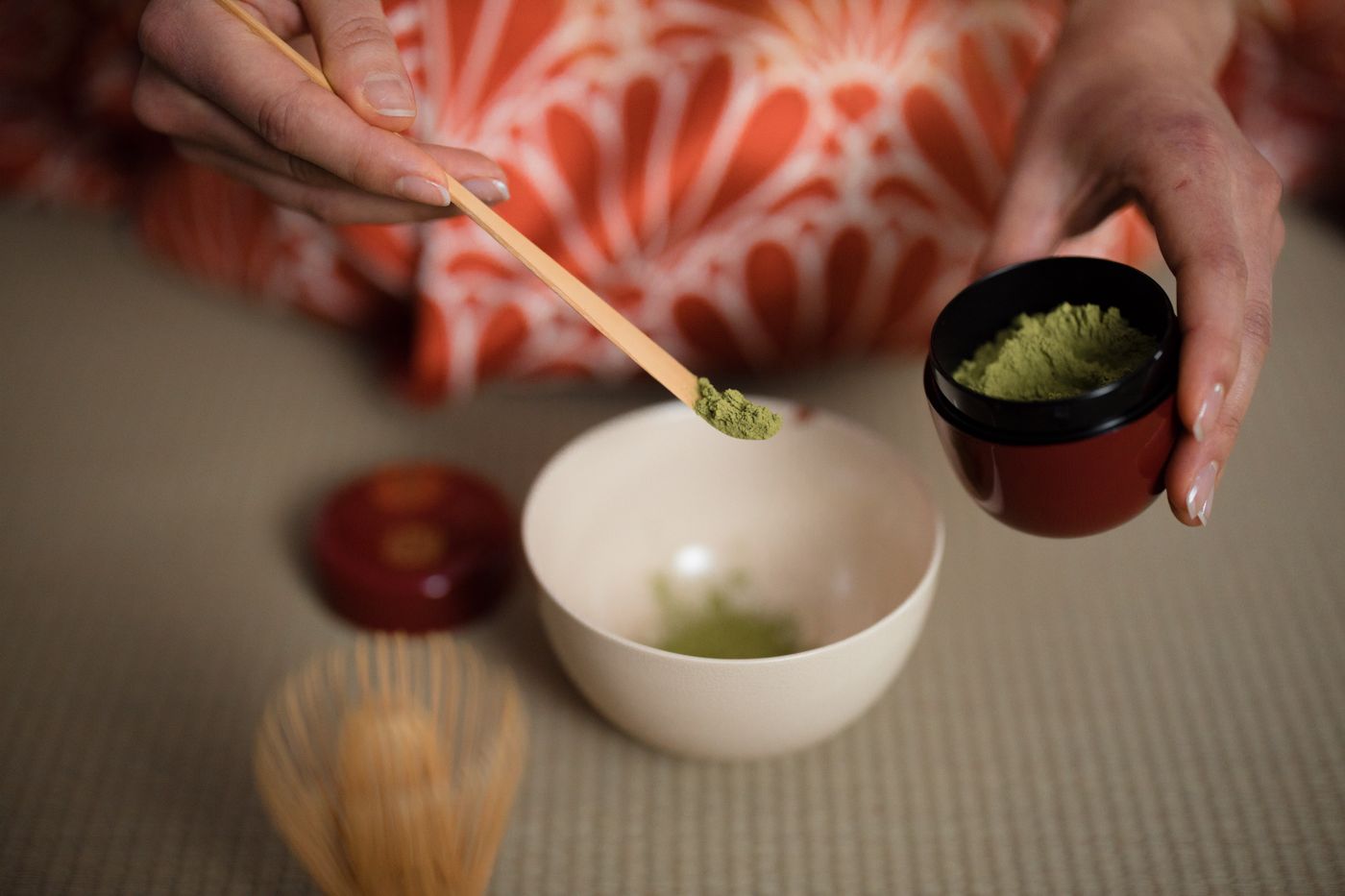
The four regions
| Region | Where | Character | Known for |
|---|---|---|---|
| Uji | Kyoto | Deep, sweet, layered | The historic centre. The name most brands want on the tin. |
| Nishio | Aichi | Mellow, low bitterness | Volume and consistency. A lot of café matcha starts here. |
| Yame | Fukuoka | Rich, thick, full | Small output, serious reputation among people who care. |
| Kagoshima | Kyushu | Bright, brisk | Newer, modern farming, increasingly good and increasingly cheap. |
How we cover Japan. These guides are built from Japanese-language sources and makers' own descriptions. Where we have not been somewhere ourselves, we will not write as if we have. How we work.
What to bring home
- Powder — buy the smallest tin of the best thing, not the biggest tin of the cheapest. It is a fresh product, and it starts dying the day it is opened.
- A whisk — the price difference between a Takayama chasen in Japan and the same whisk shipped abroad is the single best-value thing in a suitcase.
- Not a tea set in a gift box — the bowls are heavy, the boxes are large, and the whisk inside is usually the cheapest part.
Coming next
- Matcha in Kyoto: where to drink it, and where to skip
- Uji in two hours: the version that fits inside a Kyoto day
- Carrying tea through customs, country by country