The Tools — Reviews
The Best Matcha Whisks: A Buyer's Guide (2026)
A chasen is a single piece of bamboo, split by hand into eighty or a hundred tines. It is the one matcha tool with no substitute, the one most people buy badly, and the one that breaks first.
This Matcha Life is reader-supported. When you buy through links on this site we may earn a commission, at no extra cost to you. We choose what to cover before we look at what it pays.
The short answer
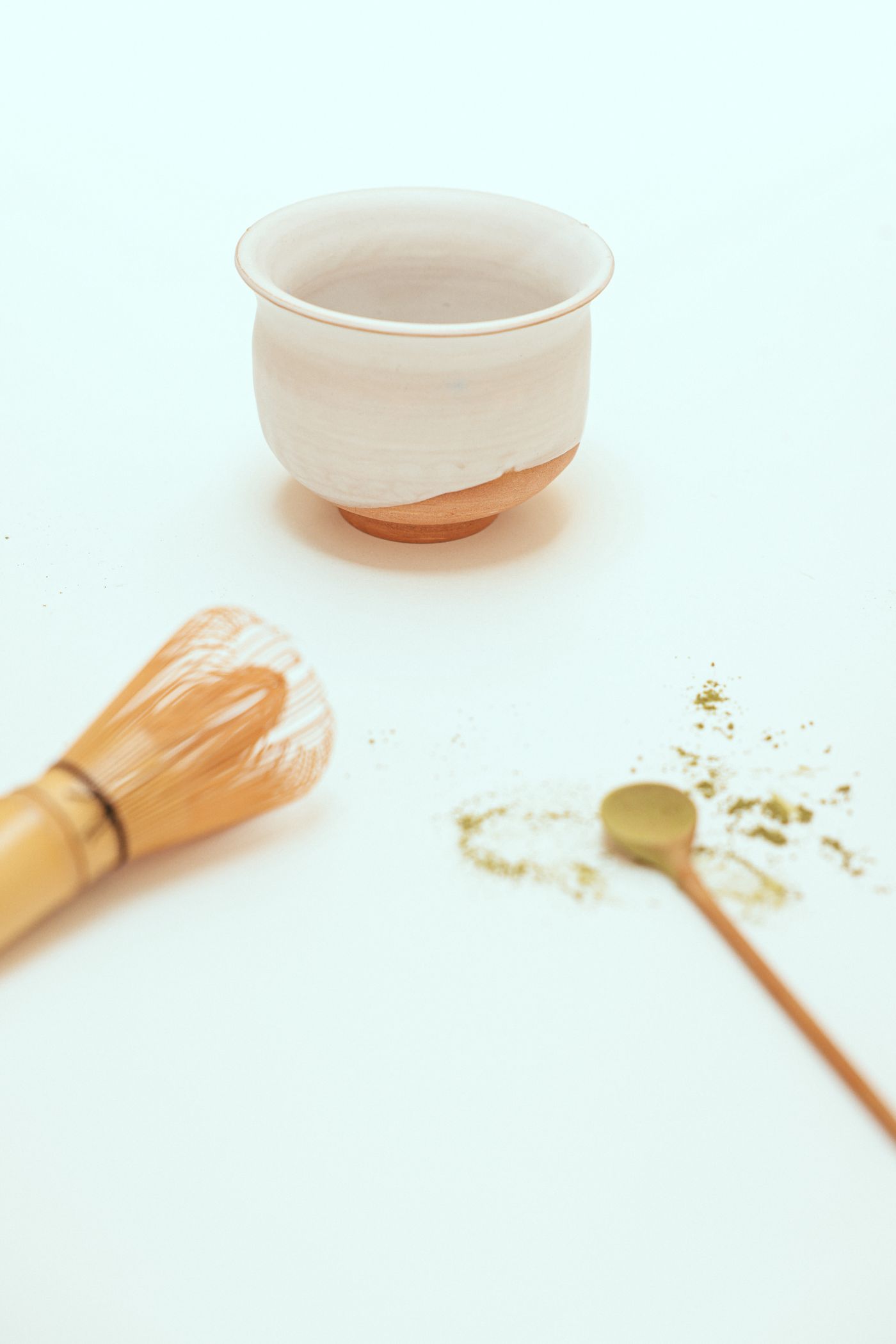
A 100-prong white bamboo chasen (百本立)
$40–90
One hundred tines is the standard for usucha — thin tea, the bowl most people drink. Enough tines to hold air and break up powder, few enough that each one is thick enough to survive.
Pay for provenance, not decoration. A whisk made in Takayama is split from a single node of bamboo by hand, and the tines are curved and thinned individually. The tines hold their arc after drying. Cheaper whisks splay outward within weeks, and a splayed whisk stops reaching the bottom of the bowl.
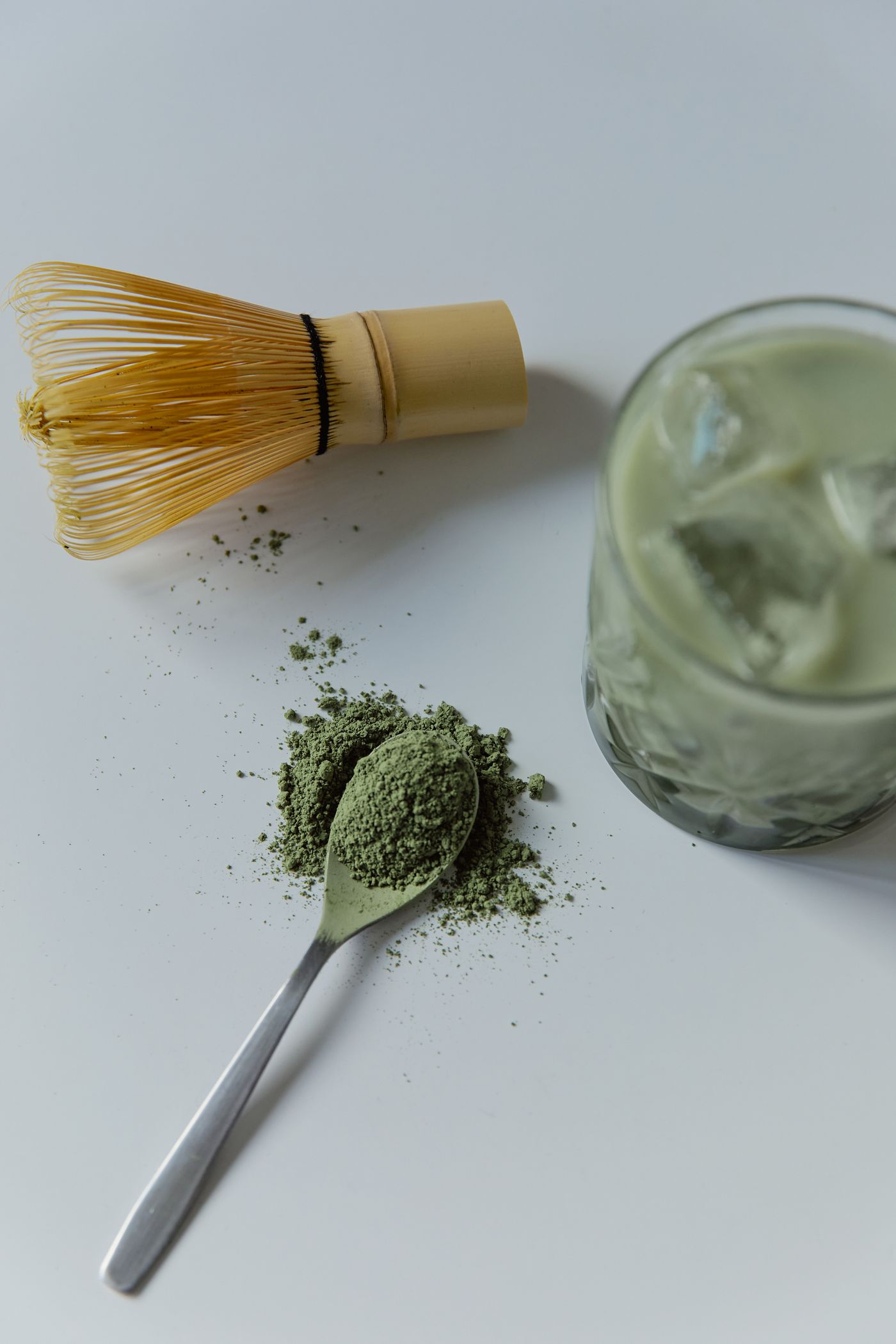
120-prong, or smoked bamboo (煤竹)
$70–180
120 tines make a denser, finer foam. They are also thinner, which means they break sooner. This is a whisk for someone who drinks matcha every morning and enjoys the difference — not a beginner's first purchase.
Susudake — bamboo salvaged from the rafters of old farmhouses, darkened by decades of hearth smoke — is the traditional material of one of the tea schools and is genuinely scarce. It performs like good white bamboo. You are paying for the material and the age, not for better foam. That is a legitimate thing to buy. It is not an upgrade in performance.
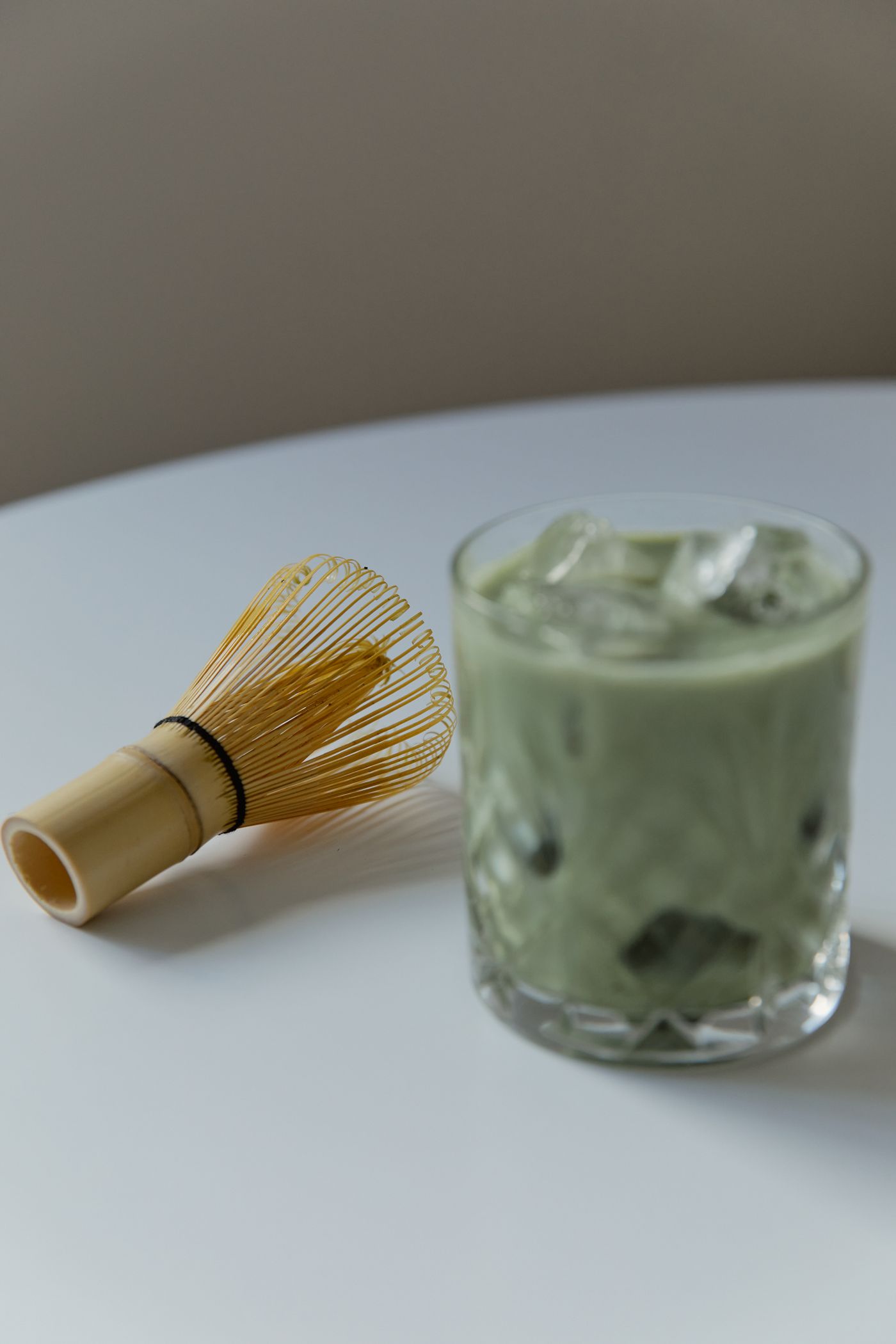
An 80-prong bamboo whisk, plus a stand
$10–18 (whisk) + $8–15 (stand)
Mass-produced 80-prong whisks work. They make tea. The tines are thicker and less uniform, the foam is coarser, and the whisk will splay faster — but it is a real bamboo chasen and it will not ruin your morning.
If your budget is $30, do not spend $30 on the whisk. Spend $15 on the whisk, $10 on a kusenaoshi stand, and put the rest toward better matcha. The stand is the single highest-return object in this entire guide.
How we work. We choose what to cover before we look at what it pays. This guide is built from published specifications, Japanese-language sources, and the makers' own descriptions. Where we have not yet handled a whisk ourselves, we say so — and we say so here. Hands-on notes and our own photographs are added to each guide as the tools arrive, on our own budget. How we choose.
What a chasen actually is
Not a tool assembled from parts. A single length of bamboo, its end split into fine tines with a knife, then curved, thinned and separated into an outer ring and an inner spiral. The thread you can see near the base is not decoration; it holds the two layers apart.
Most chasen sold in Japan still come from one town: Takayama, in Nara, which has made them for around five hundred years. That is why the price gap between a $12 whisk and a $60 whisk is so wide. You are not paying for better bamboo. You are paying for the hours of a person who split it.
The five things that matter
1. Prong count
Nominal, not exact. What it tells you is the density of the tines and how thin each one is. For usucha — the thin, foamy bowl that most people drink — 80 or 100 is the working range. 100 makes a finer foam. 80 is sturdier. Whisks with far fewer, thicker tines exist for koicha, thick tea, which is kneaded slowly rather than whisked; do not buy one by accident.
2. Bamboo
White bamboo (hakuchiku) is sun-bleached and standard. Smoked bamboo (susudake) is salvaged from the roof beams of old farmhouses and darkened by decades of hearth smoke — rare, expensive, traditional to one of the tea schools. Purple-black bamboo (kurochiku) sits between them. The tea does not taste different. The whisk does not perform better. Buy the material you want to look at.
3. Where it was made
This is the honest version of "quality." A hand-split whisk from Takayama holds its shape. A mass-produced whisk splays. Both make tea on day one. Only one of them still makes tea in month six.
4. The stand you did not know you needed
A kusenaoshi is a ceramic dome that a wet whisk sits over as it dries, holding the tines in their curve. It costs about the same as a large coffee. It is the difference between a whisk that lasts a year and a whisk that splays into a broom in a month. If you buy one thing from this guide, buy this.
5. Everything else
Gift sets bundle a whisk, a scoop (chashaku), a stand and sometimes a bowl. The maths usually works out. The risk is that the bundle's whisk is the cheapest part of it. Check the prong count before you check the price.
Bamboo, electric, or resin
| Type | Price | Lifespan | Best for |
|---|---|---|---|
| Bamboo, 100-prong, Takayama | $40–90 | 6–12 months daily | Usucha. The bowl this tool was designed for. |
| Bamboo, 80-prong, mass-produced | $10–18 | 1–6 months daily | Starting out. Perfectly real tea. |
| Electric frother | $10–25 | Years | Lattes. Speed. Not a chasen. |
| Resin / nylon whisk | $8–20 | Years | Travel, cafés, dishwashers. Coarser foam. |
| Kusenaoshi stand | $8–15 | Forever | Everyone who owns bamboo. |
How to not break it
- Soak the tines in warm water for about a minute before the first use, and briefly before every use after that. Dry bamboo snaps.
- Rinse in warm water afterwards. No soap. No sponge. No dishwasher, ever.
- Dry it on a stand, tines down over the dome, away from direct sun.
- Whisk in a brisk W, from the wrist, with the tines just off the bottom of the bowl. Do not stir in circles, and do not press.
- Losing a tine or two over a year is wear, not failure. When the whisk splays wide enough that it no longer reaches the bottom, replace it.
Questions people actually ask
Do I really need a bamboo whisk?
For usucha, yes. The tines break up clumps and beat in air at the same time. A spoon does neither. For a matcha latte, a frother or a jar with a tight lid, shaken hard, is fine.
Why did mine break so quickly?
Almost always one of three things: the dishwasher, drying it flat in a drawer, or whisking it dry. Fix those and a $15 whisk will outlive a $60 one that was mistreated.
Is an electric whisk any good?
It is a milk frother, and a good one. It makes a fast latte. It will not keep the powder suspended in a small bowl of water the way a chasen does, so traditional usucha made with a frother tends to leave sediment at the bottom. Buy one if you drink lattes. Not instead of a chasen.
Next in The Tools
Matcha bowls, scoops and sifters — what each one is actually for.