The Tools
What to buy, and what to skip
Six objects sit between a tin of powder and a good bowl of tea. Two of them matter, two help, and two are optional. Here is the honest order.
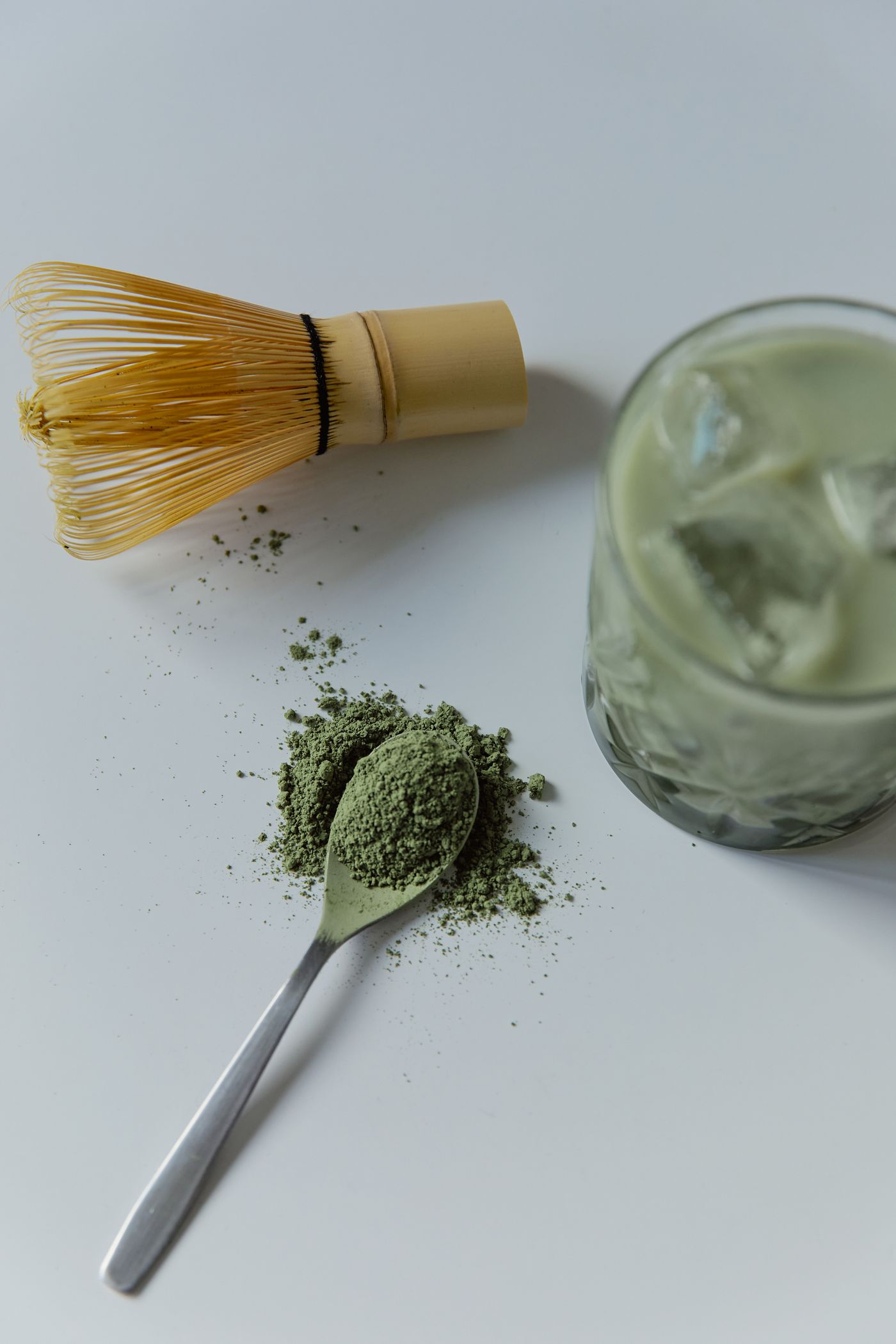
The whole kit, ranked by what it changes
| Tool | Price | Do you need it | What it actually does |
|---|---|---|---|
| Chasen (whisk) | $10–90 | Yes | Breaks up clumps and beats in air at the same time. Nothing else does both. |
| Kusenaoshi (stand) | $8–15 | Yes | Holds the tines in shape as they dry. Doubles the life of the whisk. |
| Chawan (bowl) | $25–60 | Helps | Wide and flat, so the whisk can move. A cereal bowl works. A mug does not. |
| Sifter / fine strainer | $6–12 | Helps | Matcha clumps in the tin. Sifting is the difference between smooth and gritty. |
| Chashaku (scoop) | $5–15 | Optional | Two scoops ≈ 2 g. A half-teaspoon does the same job. |
| Electric frother | $10–25 | Optional | Makes a fast latte. Leaves sediment in a traditional bowl. |
If you buy two things. A whisk and a stand. Roughly $25 together, and it will still be making tea next year. Everything else can wait.
Guides
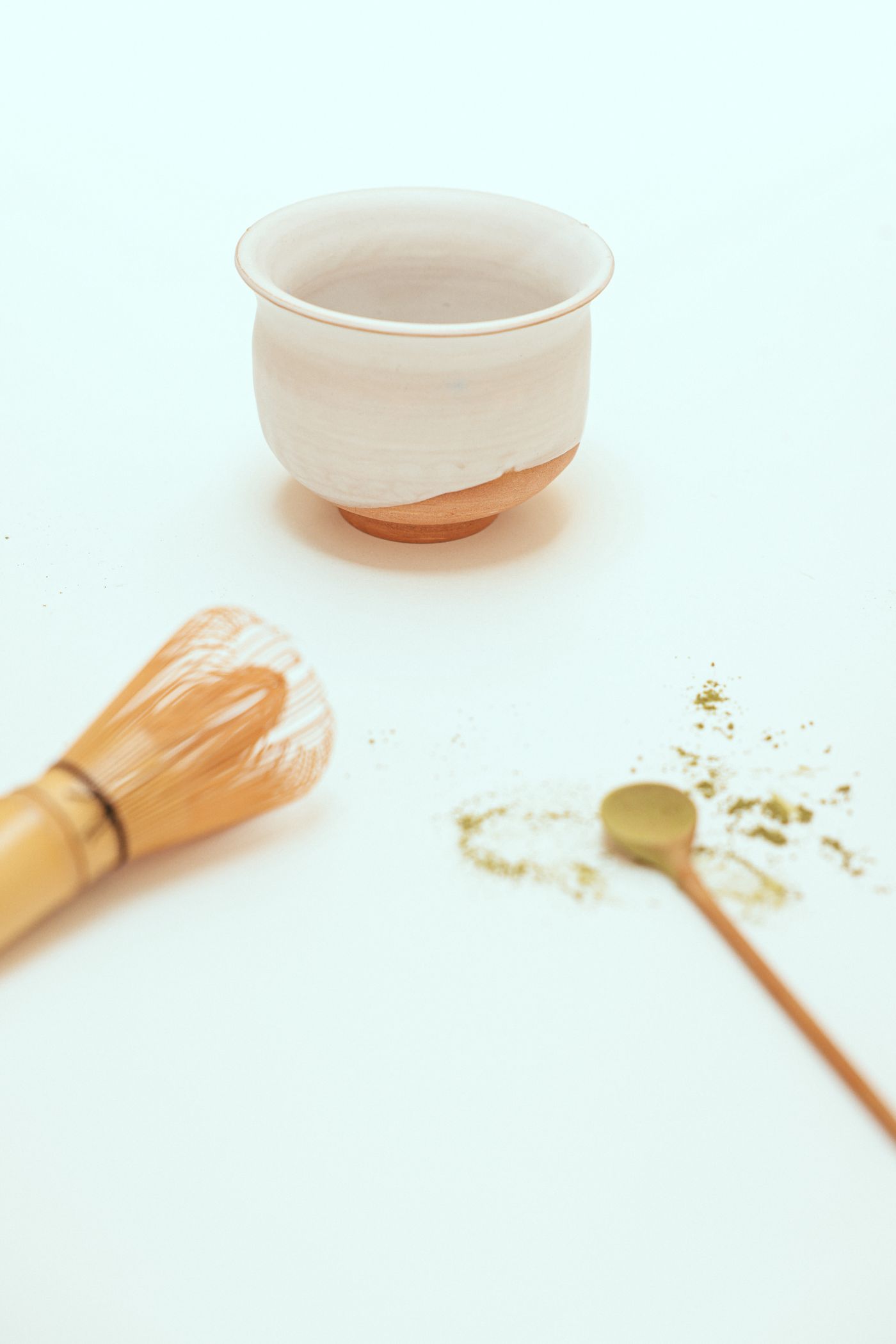
Buyer's guide
The best matcha whisks
Prong counts, Takayama, susudake, and the stand that doubles a whisk's life.
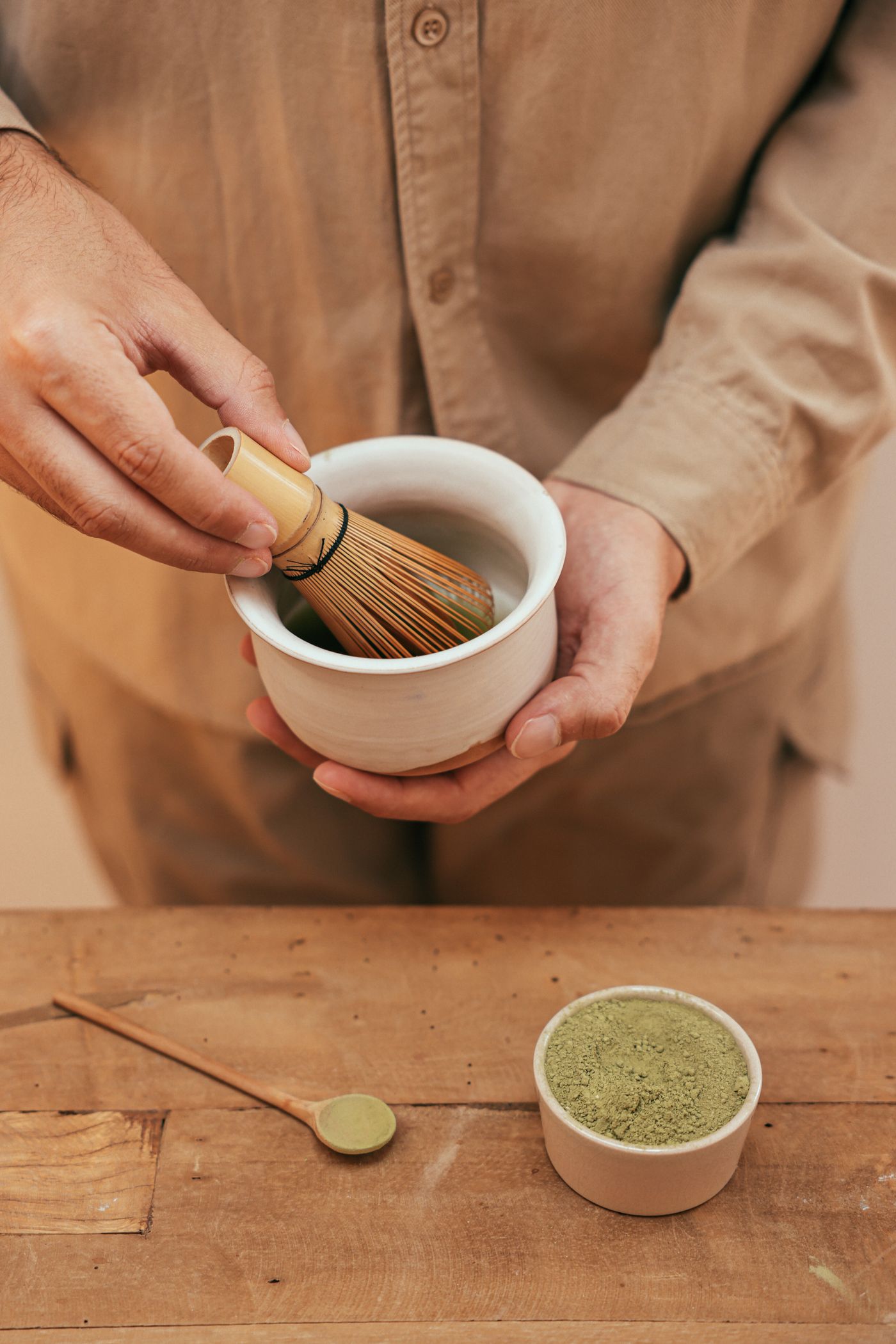
Method
How to whisk, in five steps
The W motion, from the wrist. Ninety seconds, start to finish.
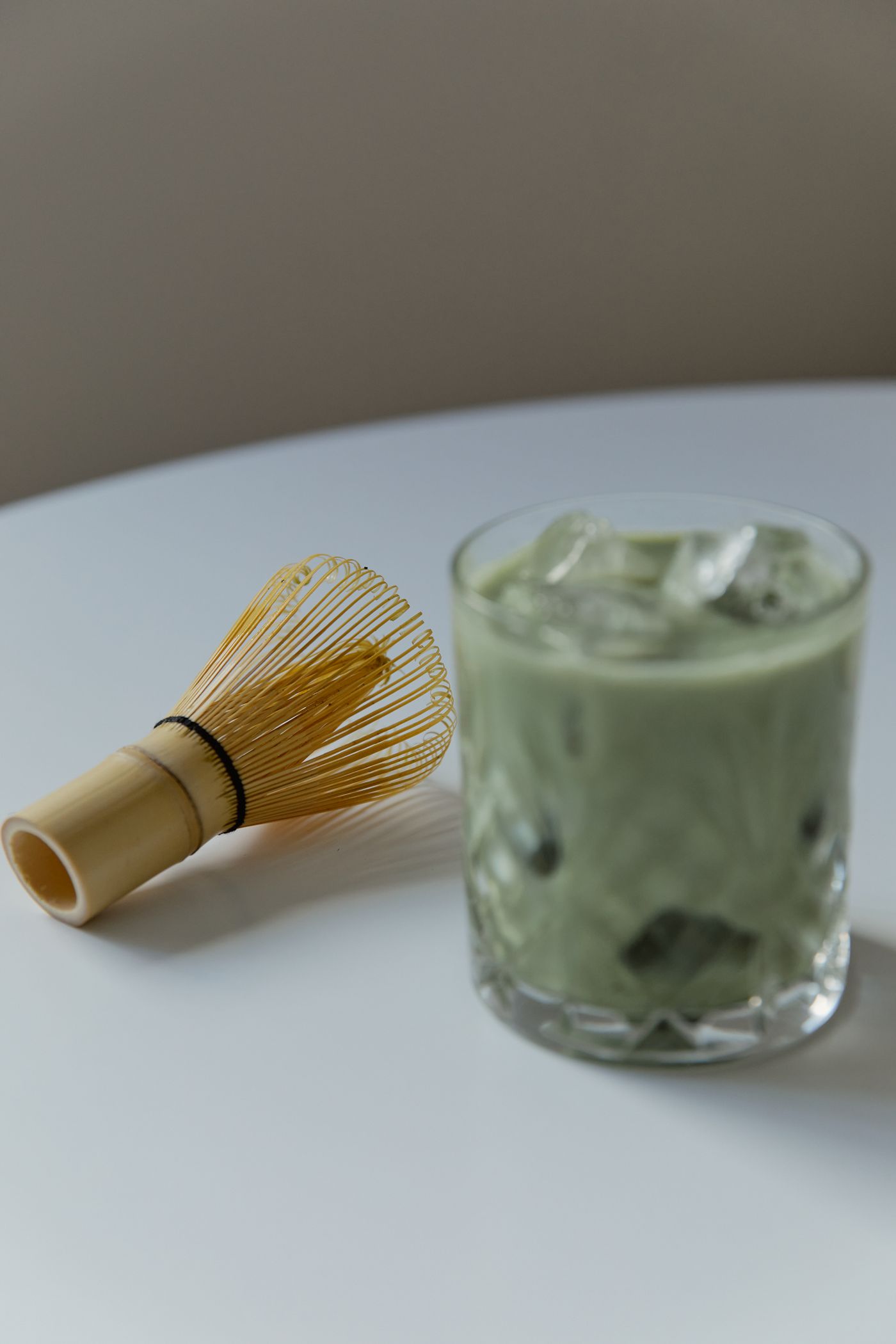
Shop
Starter sets
The maths usually works out. Check the whisk's prong count before you check the price.
Coming next
- Matcha bowls (chawan): what shape actually matters
- Electric whisks: do they beat bamboo
- How to clean a bamboo whisk without destroying it