
About Matcha — 抹茶とは
There is no one way to matcha.
抹茶の楽しみ方は、人それぞれ。それを、もっと良くする。
You do not brew matcha.
You drink the leaf.
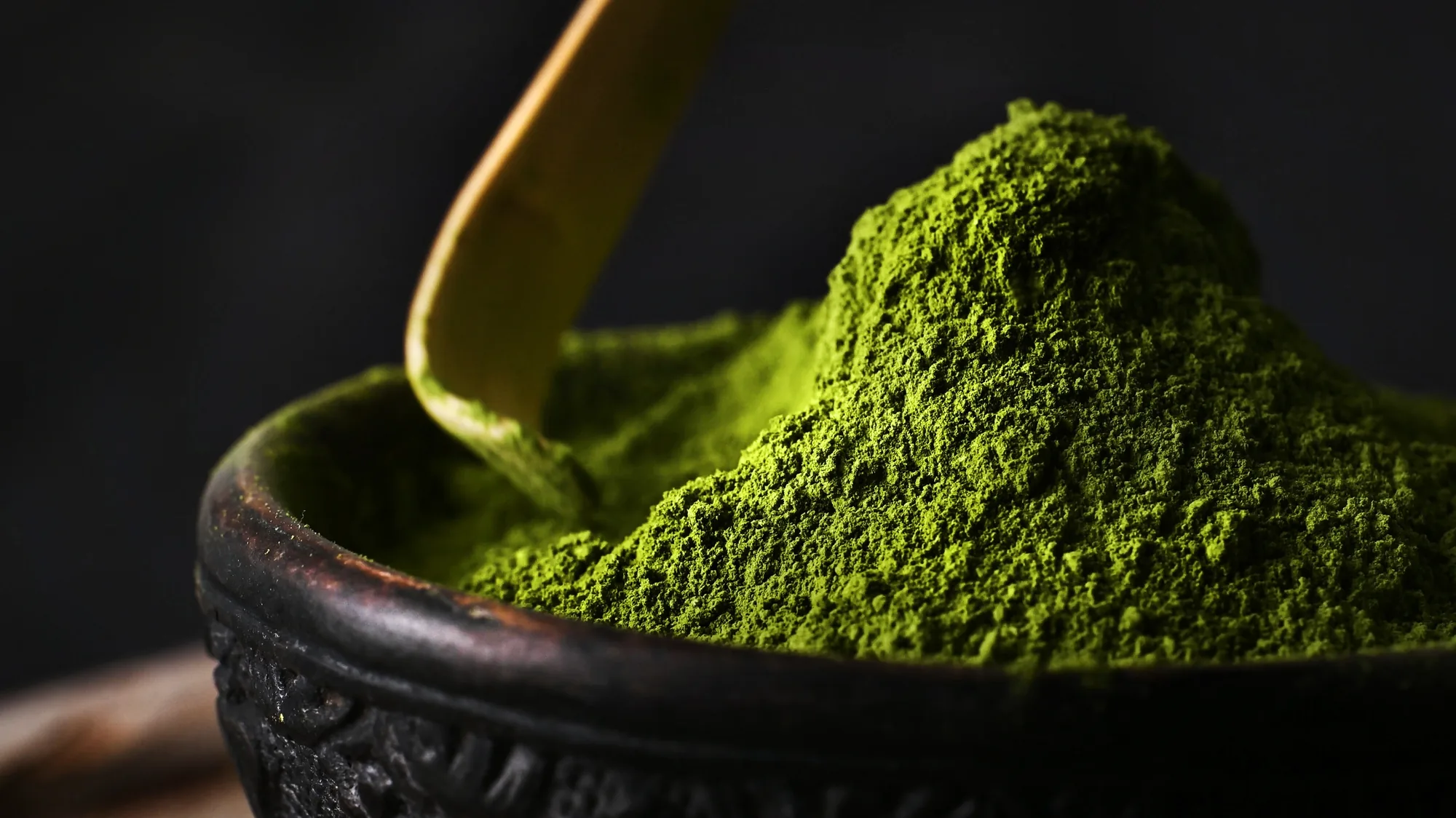
Green tea, grown in shade, dried, stripped of stem and vein, and ground finer than flour. No bag. No strainer. Nothing left behind in the pot.
Every other fact follows from that one. The color. The price. The caffeine. The foam. The four weeks it lasts once you open it. Hold on to this sentence and the rest of the site explains itself.
The ways
However you drink it, you are already doing it right.
Thin tea in a bowl is not more correct than a latte on the way to work. These are not levels. They are doors, and all of them open.
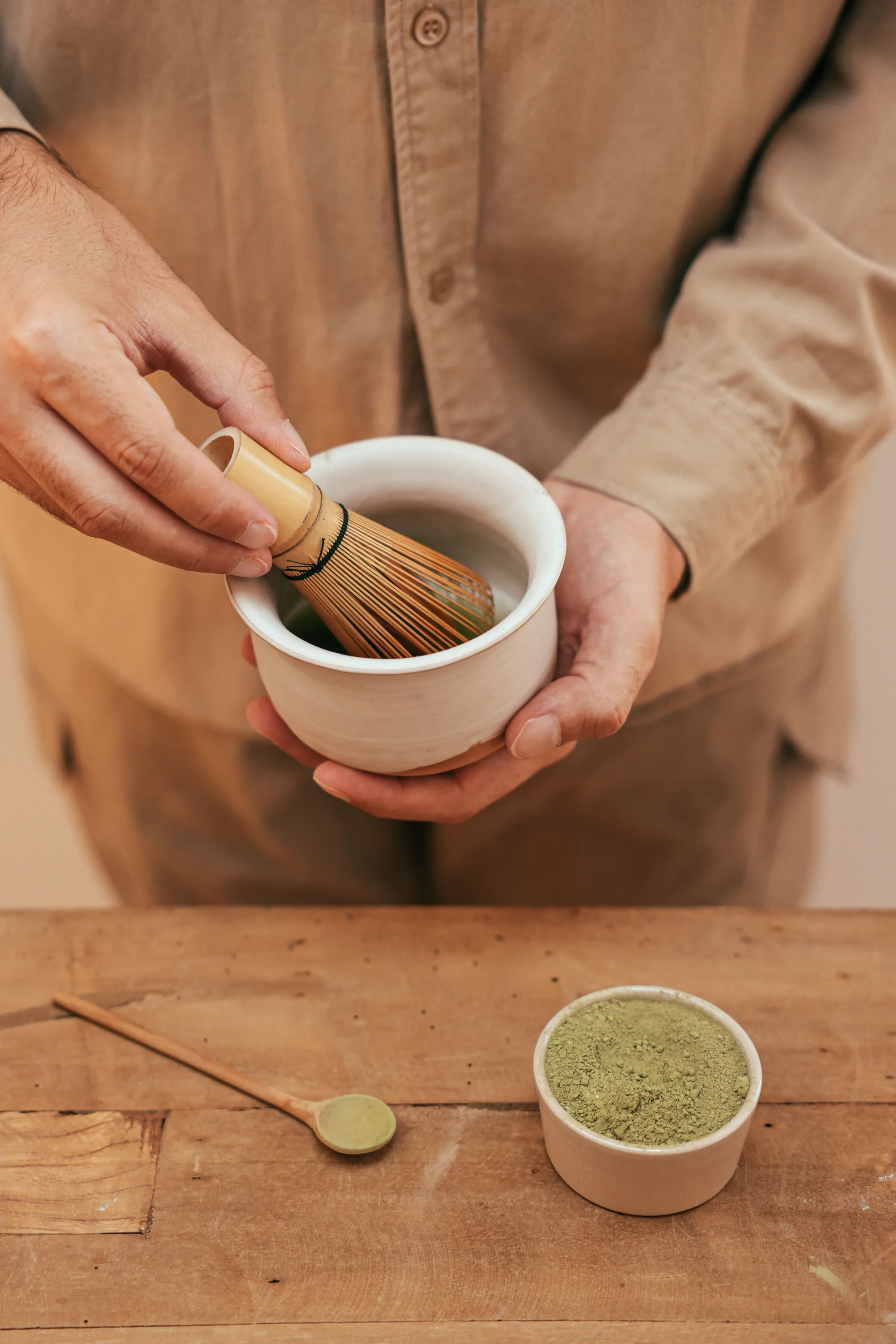
A bowl, two hands, ninety seconds.
+Drop the water ten degrees. The same powder turns sweet.
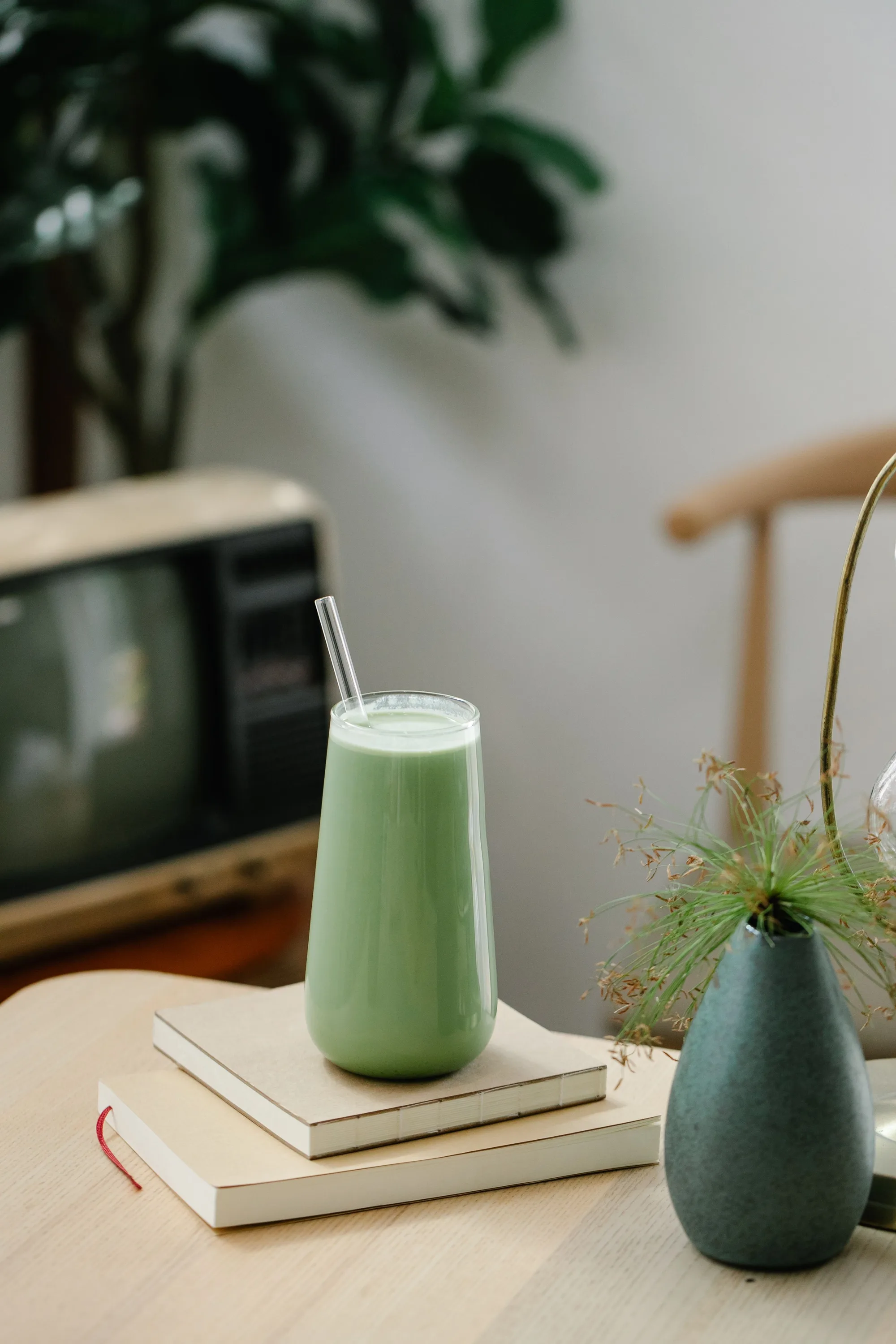
Where most people start. There is nothing wrong with that.
+The lumps are not the powder's fault. Sift, paste, then pour.
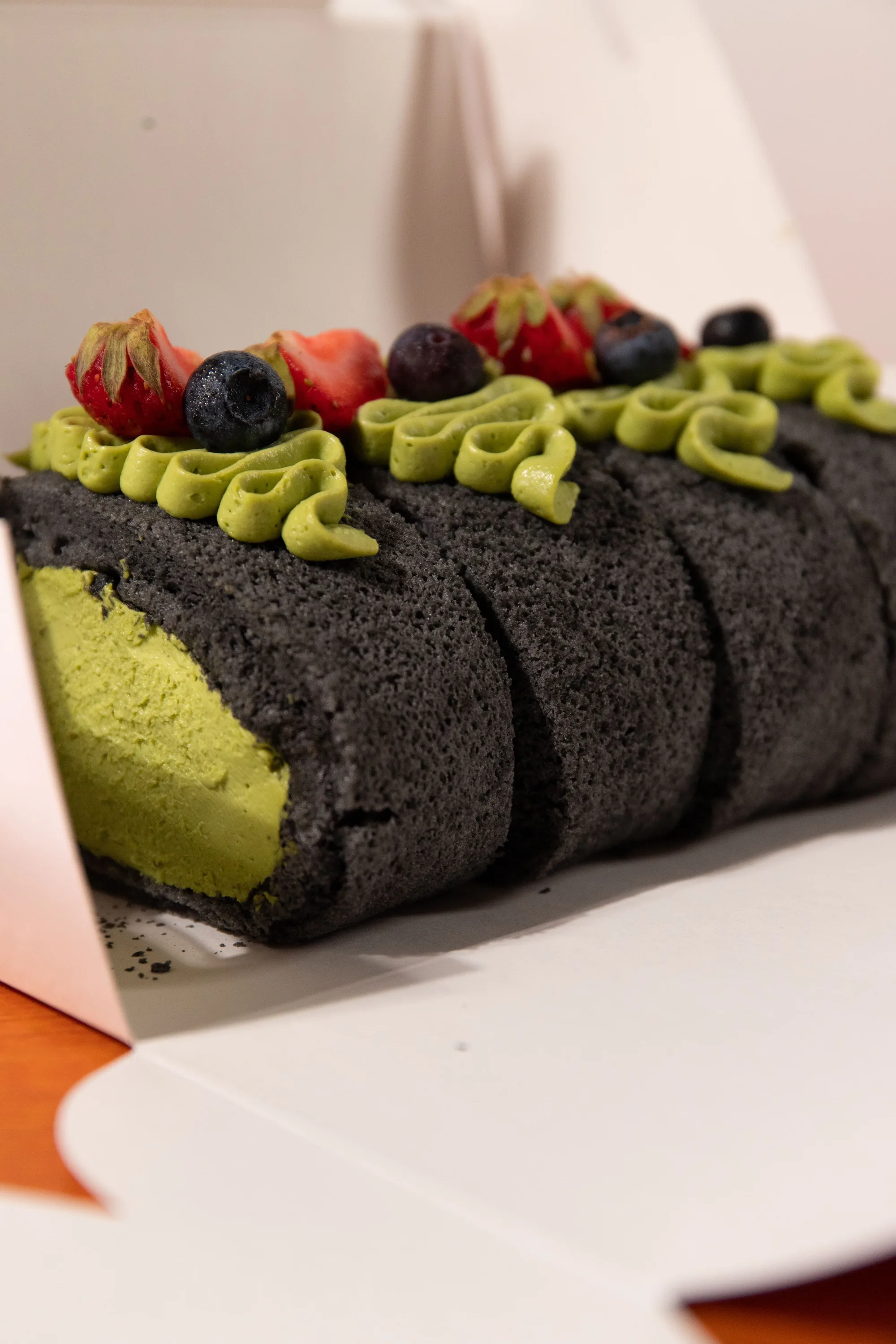
Ice cream, cake, salt, soba, chocolate.
+Color survives heat only in the right grade — and it is not the expensive one.
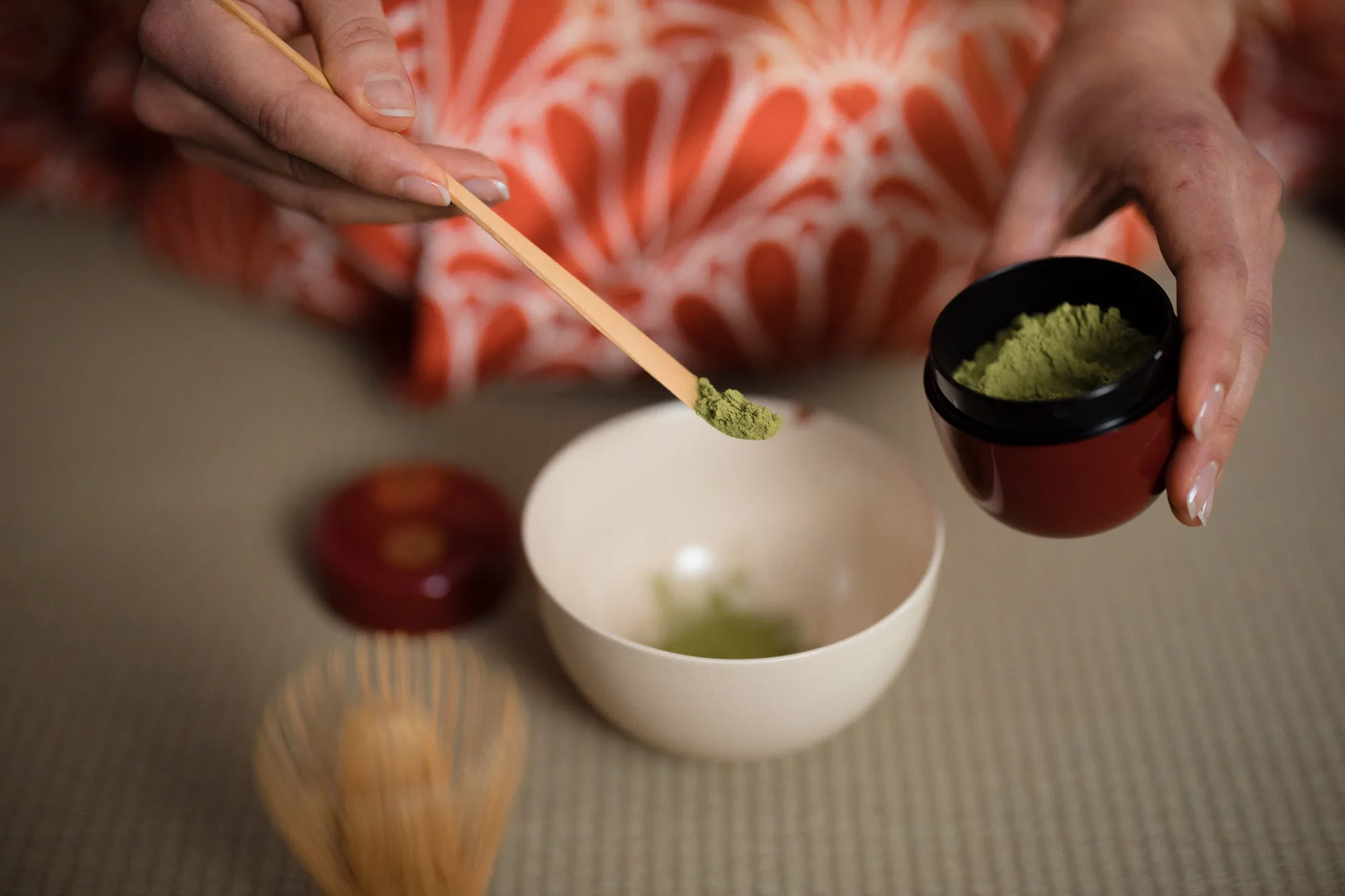
A room with nothing in it is also a way to drink tea.
+The ninety seconds is the point. The tea is what fills them.
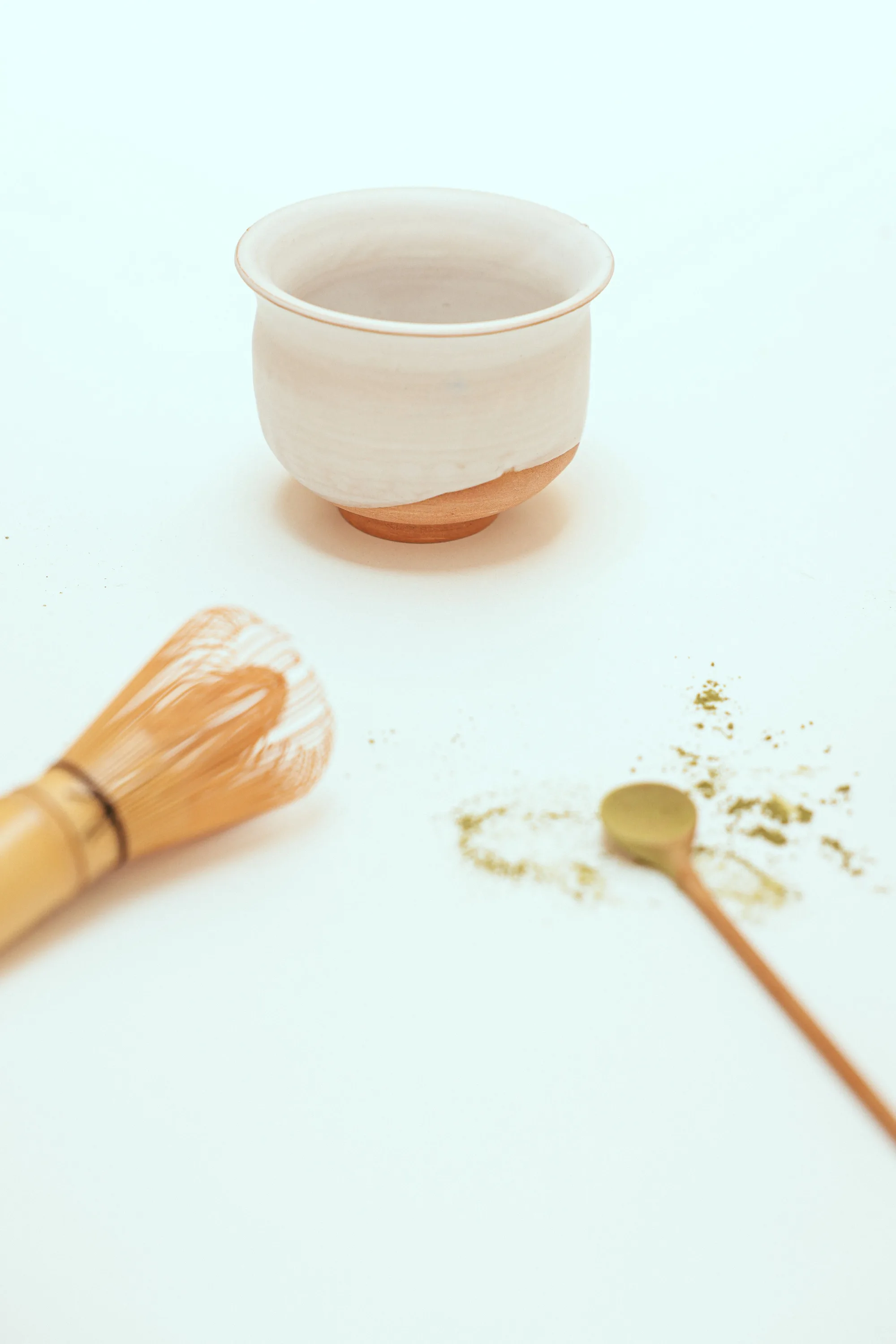
A bowl you keep for twenty years.
+The bowl does not change the taste. It changes the ninety seconds.
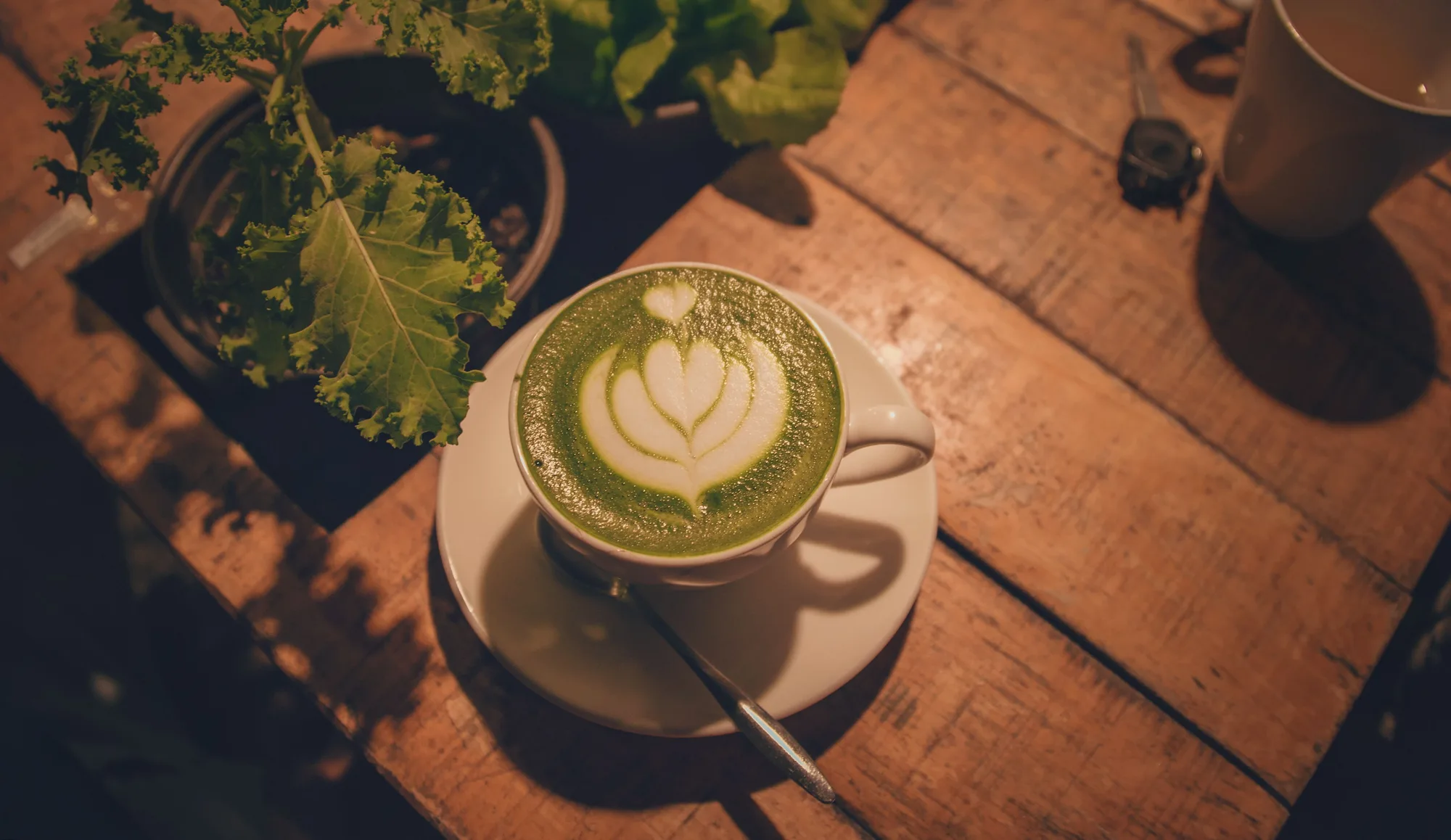
A desk. A train. A morning that is not special.
+Buy a smaller tin. Freshness beats grade, and it costs less.
The craft
Five steps, and one of them matters more than the other four.
- 01 2 g
Sift
Two scoops, through a small sieve. Lumps are not a flaw. They are what powder does.
- 02 70 ml
Water
70–80°C. Not boiling. This is the one number that changes everything.
- 03 90 s
Whisk
W, not circles. Wrist, not arm. Lift at the end and the foam closes over.
- 04 —
Foam
Fine and even, not big and proud. Big bubbles mean you were beating air, not powder.
- 05 2 min
Drink
It separates. It was never meant to wait.
The peak
Uji is not a field.
It is a finishing house.
The most famous name in matcha is the one buyers misread most often. Under the definition used by the Kyoto tea industry association, tea sold as Uji tea may be grown across four prefectures — Kyoto, Nara, Shiga and Mie — provided it is finished by a Kyoto business, in Kyoto. The word names a tradition and a craft. It does not name a hillside.
This is not a scandal, and it does not make Uji matcha worse. Some of the finest tea in the world is finished there, by families who have done it for four hundred years. It is simply not the guarantee the packaging invites you to read into it — and knowing that is worth more than the name.
| 宇治 | Uji | Kyoto. The name that sells — and the loosest of them. |
| 西尾 | Nishio | Aichi. Volume, consistency, and a great deal of the world's matcha. |
| 八女 | Yame | Fukuoka. Sweet, thick, less famous, often better value. |
| 鹿児島 | Kagoshima | The south. Newer, warmer, cheaper. Improving quickly. |
The history
Eight hundred years, and the recipe has not changed.
- 1191
Powdered tea arrives from China with Zen, carried by the monk Eisai.
- 14c
China abandons it. Japan does not.
- 16c
Sen no Rikyū builds an aesthetic around a single bowl: small rooms, plain objects.
- 2026
Leaf, water, wrist. The method has not changed. Everything since is commentary.
Latest on The Matcha
Decaf matcha: does it exist?
Reduced-caffeine matcha exists from a few Japanese houses (Marukyu Koyamaen lists one); caffeine-free matcha does not, because matcha is whole tea leaf.
Matcha vs green tea: what actually differs
Matcha is shaded, dried without rolling, ground and drunk whole; sencha is sun-grown, rolled, steeped and discarded.
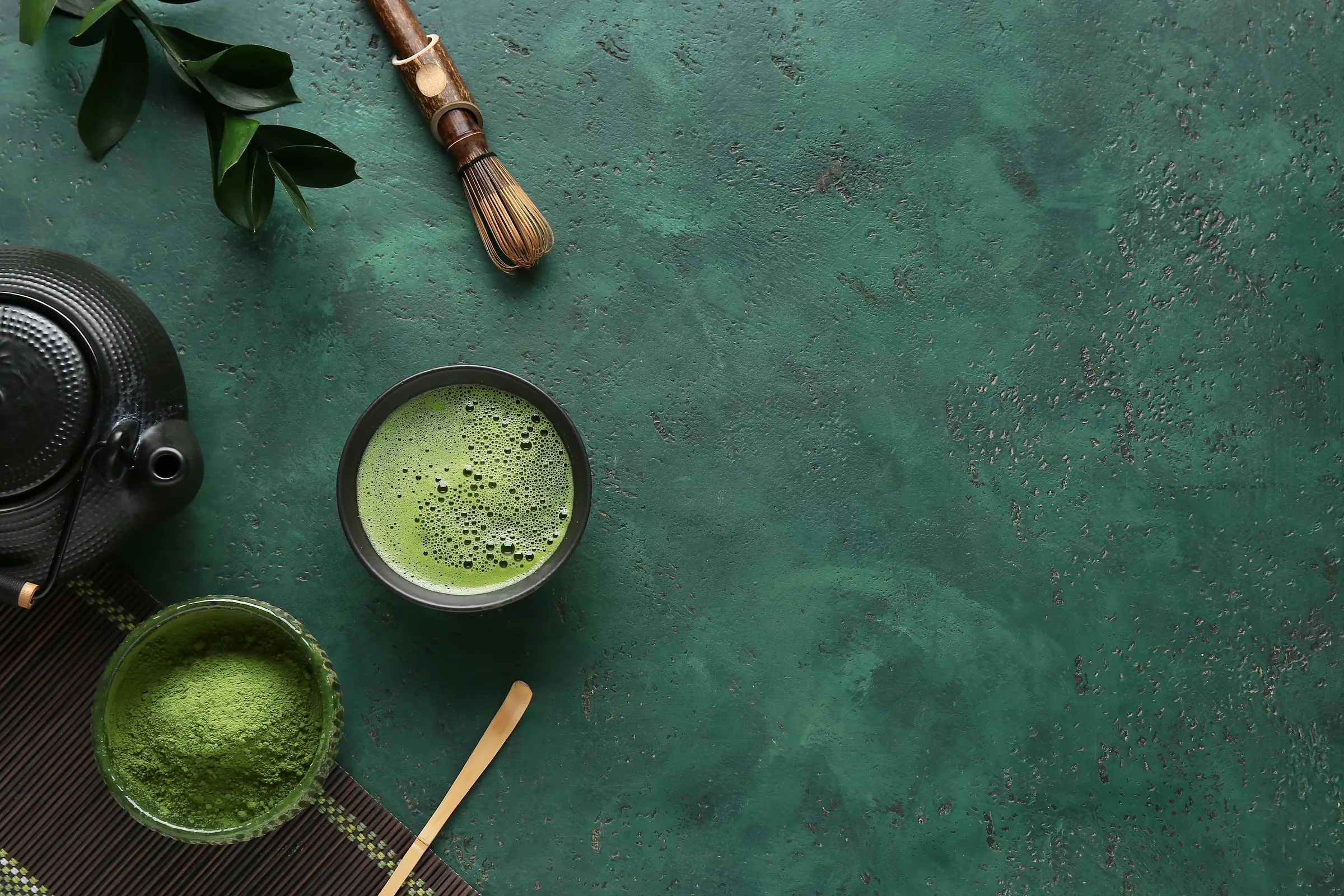
The plant matcha comes from
Matcha comes from Camellia sinensis var. sinensis, the same plant as every green, black and oolong tea; there is no separate matcha plant.
Hojicha vs matcha
Hojicha is roasted green tea — brown, toasty, low in bitterness, steeped; matcha is shaded green tea ground and whisked whole.
What matcha is made of
Matcha is tencha — shaded, steamed, unrolled, destemmed tea leaf — ground to a powder of 5–20 microns. Nothing is added.
Does matcha have caffeine? Yes — here is how much is in your cup
A 2 g bowl of matcha carries about 64 mg of caffeine (Japan's food tables, 32 mg/g); an 8 oz coffee carries 80–100 mg (FDA).
Read next
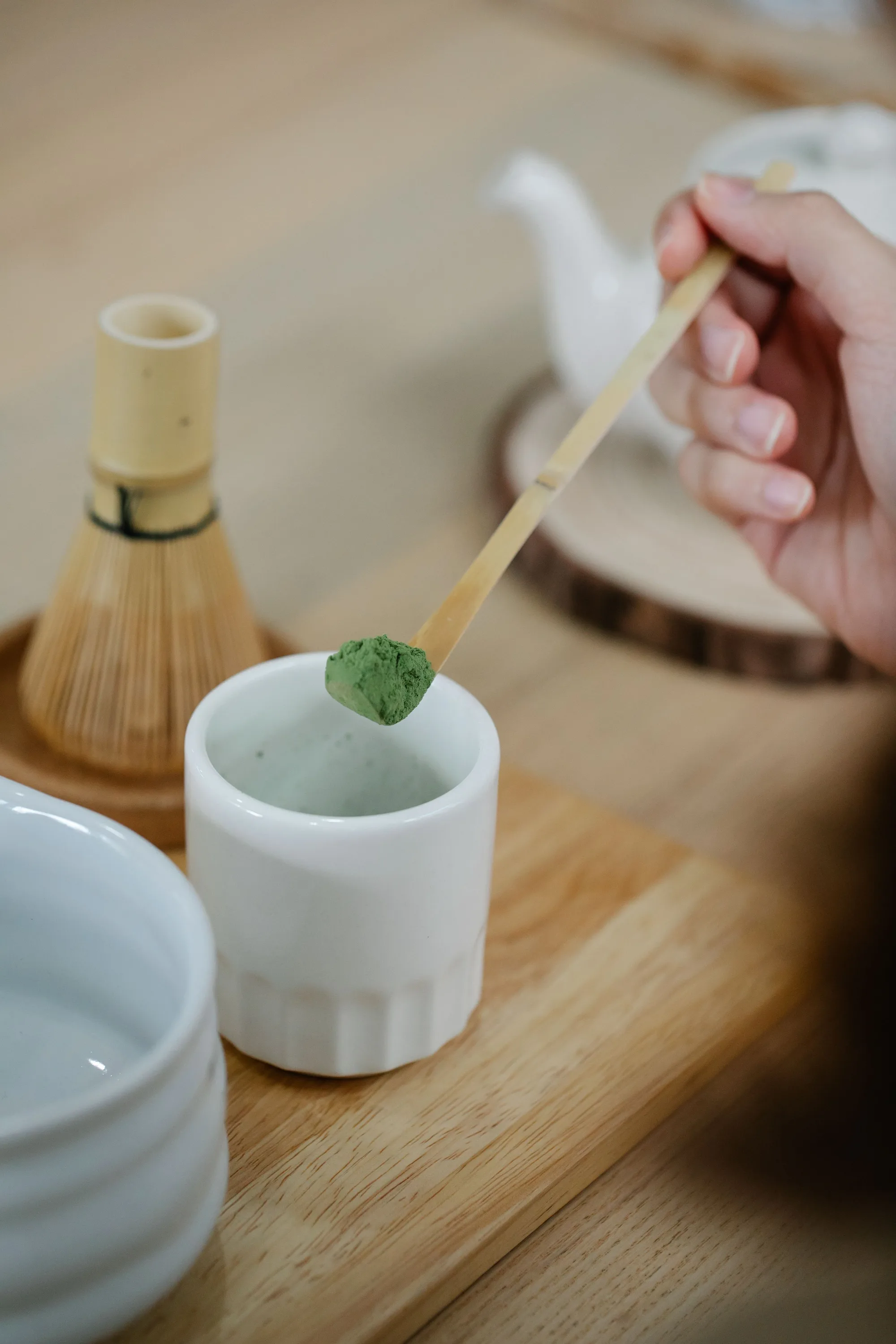
"Ceremonial grade" is not a grade
No regulator defines it. Four things on the tin tell you more than the phrase ever will.
How to read a tin in thirty seconds
Harvest, mill date, origin, cultivar. Everything else on the label is decoration.
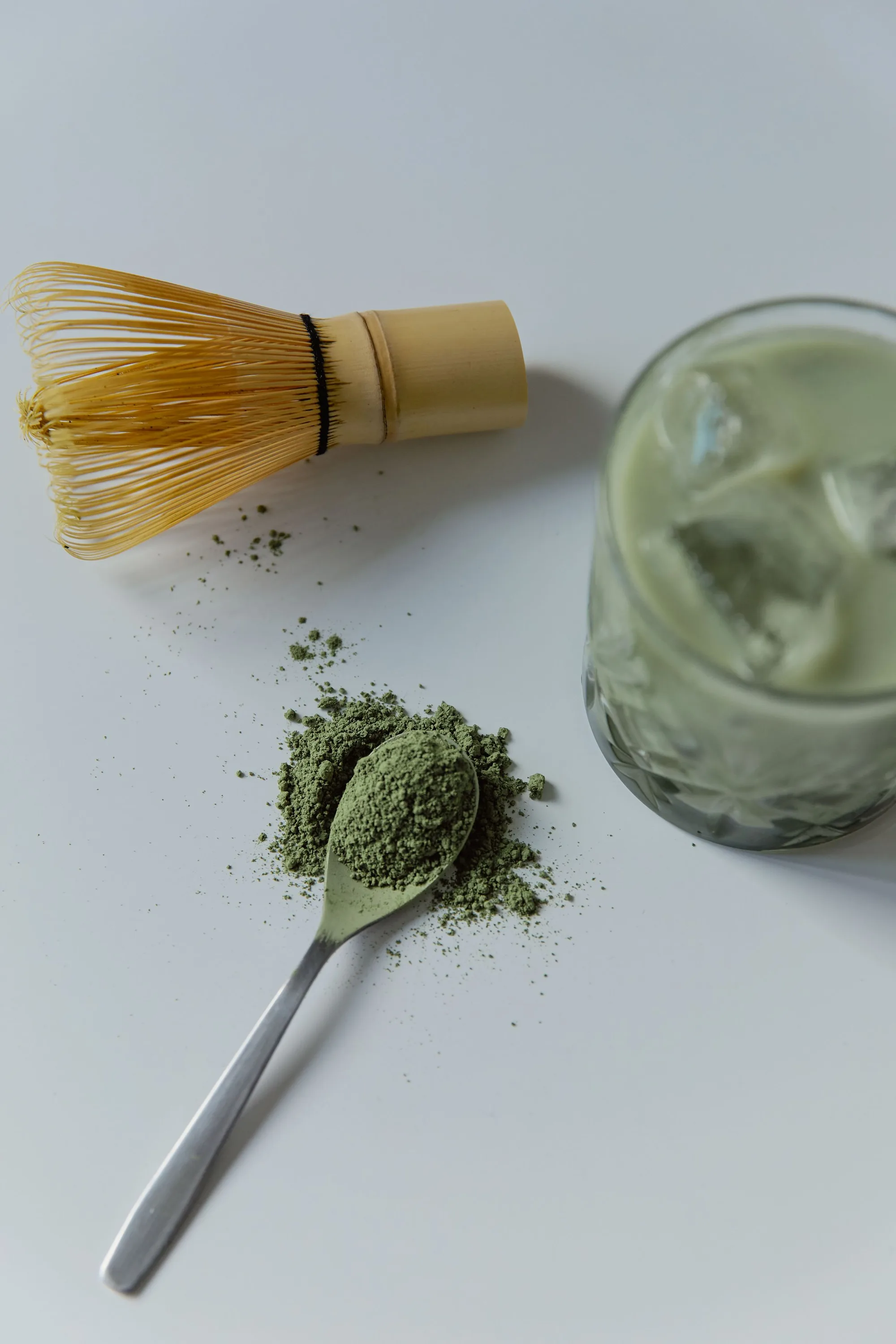
The bowl, in five steps
2 g, 70 ml, 70–80°C, ninety seconds. And the mistake almost everyone makes.